Traditional Chinese Medicine (TCM), with a history spanning 2,000 to 3,000 years, has developed a unique system for diagnosing and treating diseases.
The approach of Traditional Chinese Medicine differs fundamentally from that of Western medicine. In TCM, the understanding of the human body is based on a holistic view of the universe, as described by Taoism, and the treatment of diseases is based on the differential diagnosis of syndromes.
Clinical diagnosis and treatment in TCM are primarily based on the theory of yin-yang and the theory of the five elements, which apply natural phenomena and laws to study the physiological activities and pathological changes in the human body and their interrelationships. Typical therapies in TCM include acupuncture, herbal treatment, and qigong exercises.
Before starting treatment, a thorough examination must be performed to identify the root cause of the illness. The initial examination in TCM takes about one hour. The main tool used is interviewing. The therapist asks not only about your specific illness but also about other issues that may seem unrelated to the disease. Following this, the therapist will check your pulse and examine your tongue. The pulse and tongue serve as important diagnostic tools, from which many imbalances in the body can be deduced. It is helpful to bring any medical reports or laboratory tests to the first session if available.
After gathering all symptoms, the therapist will determine the basic patterns of the illness and establish a treatment plan.
Traditional Chinese Medicine offers several tools that the therapist can use for treatment:
- Acupuncture
- Herbal Therapy and Immunonutritional Mushrooms
- Dietary Therapy
Herbal Therapy and Immunonutritional Mushrooms
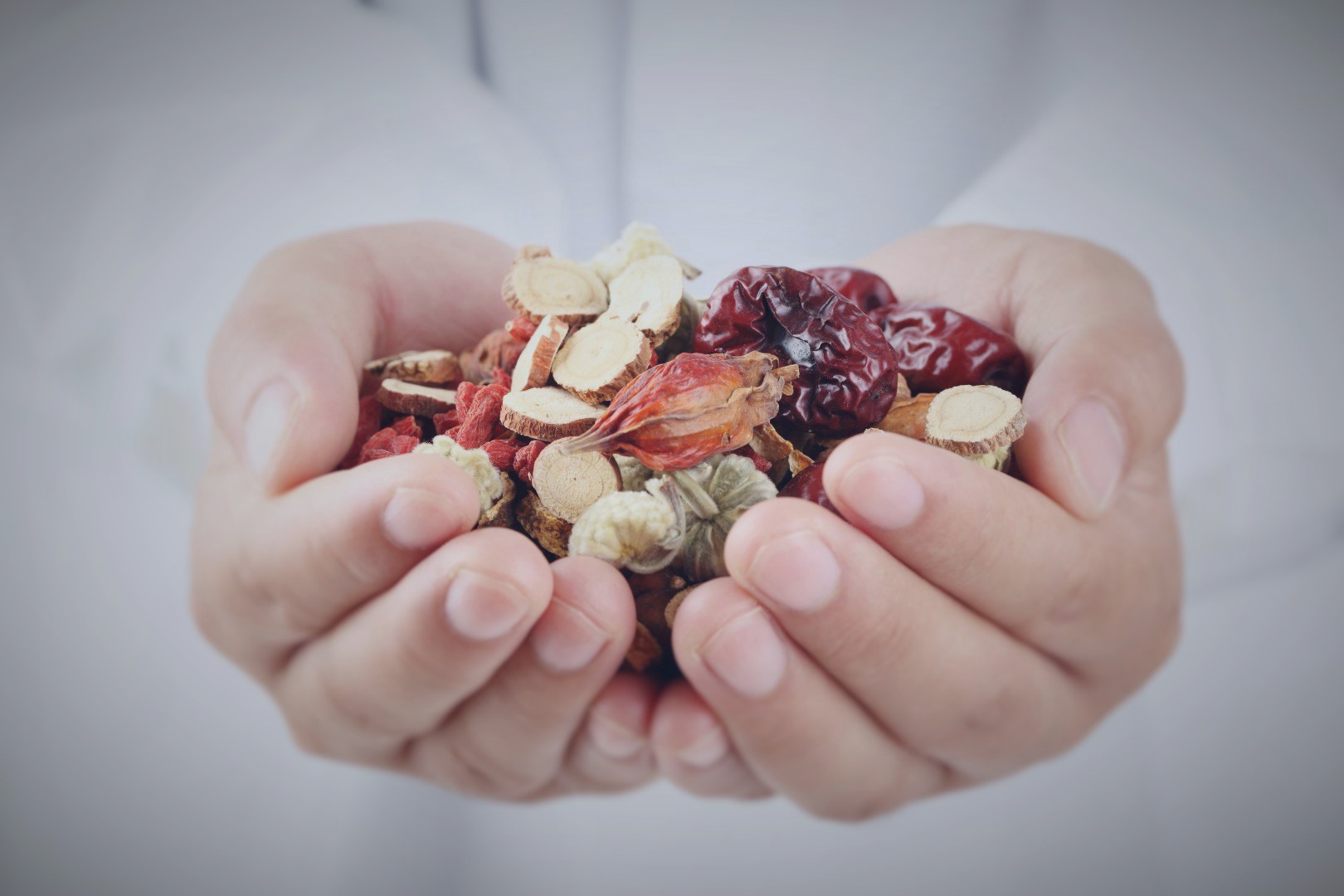
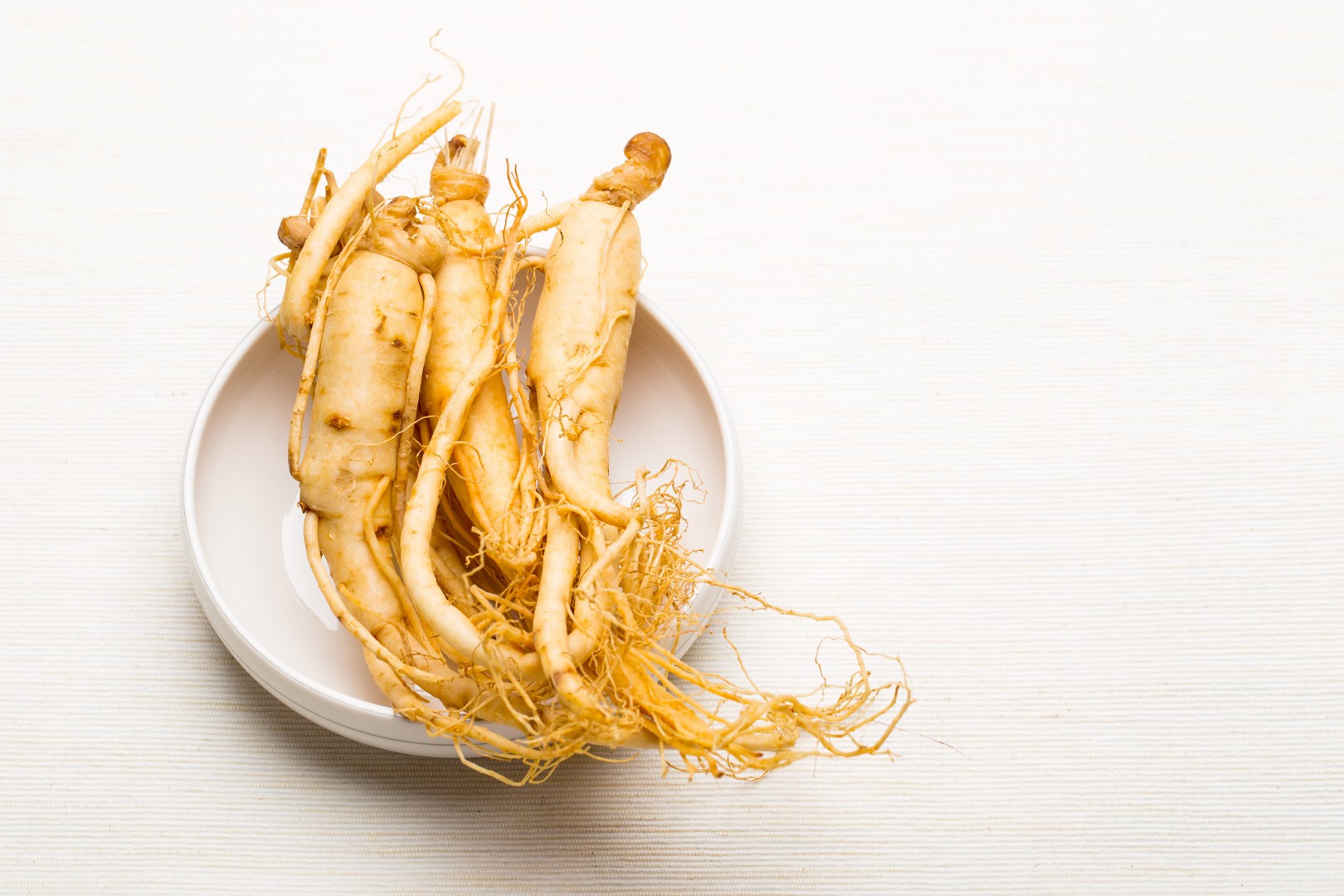
Traditional Chinese Medicine (TCM) uses herbal mixtures (and sometimes minerals, etc.) in various forms for treatment. The most common form is Tang, a mixture of individual herbs that is then cooked. This form is the most effective because it is tailored specifically to the patient's unique problems.
Another form is herbs compressed into tablets, called WAN. This form is convenient and effective but has limitations. These are pre-mixed blends and are not tailored to the patient's specific issues. They can be very useful, especially for simpler conditions or for children. Other forms of herbal therapy include ointments, herbal plasters, syrups, etc.
Dietary Therapy
You are what you eat. Diet plays a significant role in the treatment process. Based on diagnosis, you will receive dietary recommendations that must be followed for successful disease treatment.
The approach of Traditional Chinese Medicine treats the Zang-Fu organs as the core of the human body. Tissues and organs are interconnected within the human body through a network of meridians and blood vessels. Qi acts as a carrier of information, which manifests externally through the Jing-Luo system. Through this network, dysfunctions in the Zang-Fu organs can manifest on the surface of the body, and diseases of the superficial tissues can affect the related Zang-Fu organs.
The affected Zang or Fu organs may also influence each other because they are internally connected. Treatment in Traditional Chinese Medicine begins with analyzing the entire system, then focuses on correcting pathological changes through the adjustment of Zang-Fu organ functions.
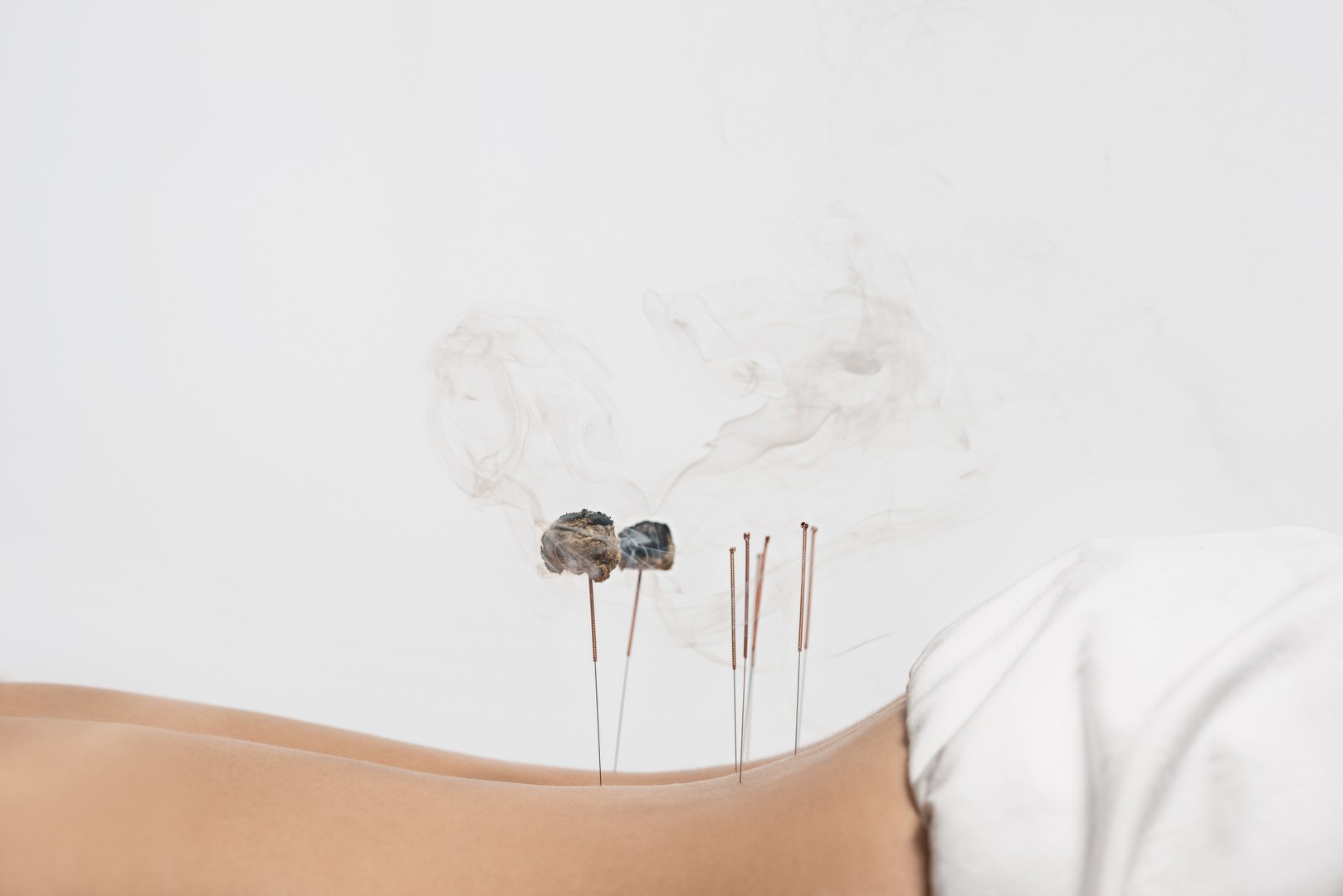
Acupuncture
Acupuncture is another significant and effective part of Traditional Chinese Medicine therapy. It is a method where a therapist uses small needles to stimulate acupuncture points and meridians. This influences the flow of Qi in the acupuncture channels, helping to restore balance in the body. According to Traditional Chinese Medicine, these points lie along acupuncture meridians through which life energy flows and is connected to various organs. Acupuncture aims to prevent imbalances in the flow of this energy and to remove blockages.
In acupuncture, treatment is conducted by stimulating specific areas on the outer body. Herbal therapy works internally on the Zang-Fu organs, while Qi Gong seeks to restore the proper flow of information within the network through the regulation of Qi. Although these therapies seem very different in their approaches, they share the same fundamental assumptions and views on the nature of the human body and its place in the universe. Some scientists describe the treatment of diseases through herbal therapy, acupuncture, and Qi Gong as "information therapy."
The therapist selects a set of acupuncture points based on the patient's specific condition. This set of points may change during the course of treatment as the patient's health evolves.
Cupping and Moxibustion (heat therapy) also fall under acupuncture. Acupuncture is typically applied 1-2 times per week. A minimum of 8 sessions is usually required, and this cycle is repeated as needed. Scientifically, the existence of acupuncture points and meridians has yet to be proven.
Acupuncture can only be applied after a diagnosis of the underlying disease is established, or at least after determining the pathogenesis of a functional disorder, with the goal of blocking pain at various levels of the central nervous system, reducing or eliminating areas of spontaneous pathological activity, correcting disrupted regulation of internal organs and their functions, and improving disrupted motor functions.
- Minimal irritation in the area of stimulation,
- Specific nature of the stimulation with minimal painful sensations,
- Stimulation not only affects the skin but also receptors in deeper tissues,
- The resulting effect of treatment often occurs at a distance from the site of irritation.
You will be taken care of by one of these doctors:
-
MUDr. Daniela Bláhová
- Statutory Representative
- Medical Director
-
MUDr. Petr Benedikt
-
MUDr. Libuše Jeřábková
-
MUDr. Alena Hyhlíková
-
MUDr. Martina Kupková
This service is offered at the following branches:
-
Vocelova
Vocelova 7
120 00 Praha 2Call: +420 724 595 340 Phone -
Jindřišská accessible
Jindřišská 18
110 00 Praha 1Call: +420 724 595 340 Phone